No Two Farms are the Same
Jan-28-2026
Reflections from the Oxford Farming Conference and Oxford Real Farming Conference 2026
The first week of January has become a defining moment for UK agriculture. Downforce Technologies attended the Oxford Farming Conference (OFC) and the Oxford Real Farming Conference (ORFC) to join partners, farmers, researchers, and industry leaders across Oxford to listen, learn, and contribute to the growing momentum behind regenerative and resilient farming systems.
Growing Resilience in 2026
At OFC significant commitments were announced that will shape the direction of UK agriculture in 2026. Retailers such as Tesco reiterated their sustainability intentions, and organisations like Soil Association Exchange shared their insights on the implementation of the Exchange Market and the lessons learnt since its launch last year. For many in the corporate and supply chain space, OFC marks the start of the year and a moment to align strategies, set ambitions, and explore how regenerative farming can strengthen resilience across the food system. Together, OFC and ORFC reveal a powerful truth: the future of UK agriculture depends on connecting strategic ambition with practical, place-based action.
“The future of agriculture depends on connecting strategic ambition with practical, place-based action”
Oxford Farming Conference, January 2026
No Two Farms are the Same
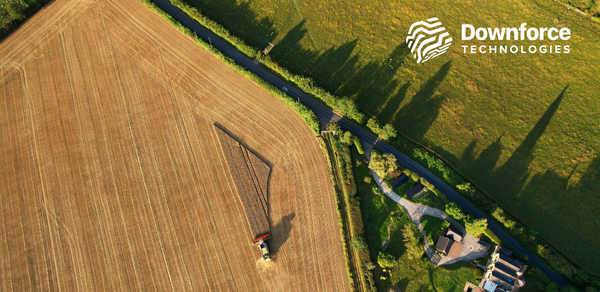
One of the most resonant messages this year came from Dr. Louise Manning highlighting that: ‘No Two Farms are the Same.’ Referenced in the 2026 Oxford Farming Conference Report, this encourages urgent action to reshape UK farming into a confident, mission-led and opportunity-driven sector. AHDB’s environmental baselining programme offers valuable insights using multiple forms of site-specific data, extrapolated across regions and farming types, to help understand where the industry is and where it wants to get to. Given the potential for significant differences between a dairy farm in Devon and a dairy farm in Cumbria, or an arable farm in Norfolk and one in Shropshire, aggregated models can struggle to capture nuances between farms and at field level. Building on IGD’s call for a baseline for all of England, understanding agricultural emissions and the intricacies of soil carbon levels, biodiversity, and resilience, requires a UK wide baselining program that incorporates granular, farm-level measurement data – at scale, capturing soil indicators across the country.
Creating a UK Wide Baseline
Downforce Technologies believes that most of the data needed to calculate a UK wide soil baseline already exists. Yet, the data remains largely inaccessible to the public. By combining soil samples from organisations that are collecting soil sample data with our scientifically robust empirical modelling, we believe it is entirely feasible to generate a high-confidence estimate of carbon stocks at 30cm depth nationwide; today and retrospectively across the past 9 years. Such a UK baseline, delivered at a 10‑metre resolution, would illuminate seasonal and inter‑annual soil dynamics, reveal long‑term trends in soil health, and provide a powerful evidence base for agricultural policy, land‑use planning, and LULUCF reporting. Fundamentally, it would be a powerful tool for strengthening the agrifood sector, supporting key recommendations emerging from national reviews, and positioning the UK as a global leader in transparent, data‑driven land stewardship.
Looking Ahead
The energy across Oxford this year was unmistakable. The UK is ready for a step change in how it understands and manages its agricultural landscape. Downforce Technologies is committed to supporting that transition – through science, technology, and partnerships that respect the diversity and individuality of every farm. If there is one message that will shape 2026 it is: No two farms are the same. Granular, farm-level measurement, as part of a UK wide baseline is essential.
Connect with our team to learn more about our approach for delivering Soil Organic Carbon data:
info@downforce.tech
Back To News