

Case study
Case study
Case study
Regenerative Agriculture
Regenerative Agriculture
Regenerative Agriculture
How Olander Farms, Root Shoot Malting and New Belgium Brewing built a verified climate-smart barley supply chain
How Olander Farms, Root Shoot Malting and New Belgium Brewing built a verified climate-smart barley supply chain
How Olander Farms, Root Shoot Malting and New Belgium Brewing built a verified climate-smart barley supply chain
About
Olander Farms, Root Shoot Malting and New Belgium Brewing
Olander Farms, Root Shoot Malting and New Belgium Brewing sit inside a single barley supply chain built around one family farm in Loveland, Colorado. Olander Farms grows the barley using regenerative practices, Root Shoot Malting operates its malthouse on the same land to turn that barley into premium craft malt, and New Belgium Brewing uses the malt across its beer portfolio, including its carbon-neutral Fat Tire. Funded by the Colorado Department of Agriculture, the Climate Smart Barley project set out to test whether a full supply chain, from field to malthouse to glass, could hold up against international greenhouse gas standards without losing the brewing quality New Belgium depended on.
About
Olander Farms, Root Shoot Malting and New Belgium Brewing
Olander Farms, Root Shoot Malting and New Belgium Brewing sit inside a single barley supply chain built around one family farm in Loveland, Colorado. Olander Farms grows the barley using regenerative practices, Root Shoot Malting operates its malthouse on the same land to turn that barley into premium craft malt, and New Belgium Brewing uses the malt across its beer portfolio, including its carbon-neutral Fat Tire. Funded by the Colorado Department of Agriculture, the Climate Smart Barley project set out to test whether a full supply chain, from field to malthouse to glass, could hold up against international greenhouse gas standards without losing the brewing quality New Belgium depended on.
About
Olander Farms, Root Shoot Malting and New Belgium Brewing
Olander Farms, Root Shoot Malting and New Belgium Brewing sit inside a single barley supply chain built around one family farm in Loveland, Colorado. Olander Farms grows the barley using regenerative practices, Root Shoot Malting operates its malthouse on the same land to turn that barley into premium craft malt, and New Belgium Brewing uses the malt across its beer portfolio, including its carbon-neutral Fat Tire. Funded by the Colorado Department of Agriculture, the Climate Smart Barley project set out to test whether a full supply chain, from field to malthouse to glass, could hold up against international greenhouse gas standards without losing the brewing quality New Belgium depended on.
Loveland, Colorado
location
Loveland, Colorado
location
Loveland, Colorado
location
1,069
hectares
1,069
hectares
1,069
hectares
3,413 tCO₂e
Programme reach
3,413 tCO₂e
Programme reach
3,413 tCO₂e
Programme reach
Colorado Dept. of Agriculture Climate Smart Barley
Programme
Colorado Dept. of Agriculture Climate Smart Barley
Programme
Colorado Dept. of Agriculture Climate Smart Barley
Programme
challenges
Verifying climate impact from field to glass.
New Belgium needed high-quality malt barley with a verifiable low-carbon footprint it could carry into its sustainability reporting. Olander Farms needed to remain profitable while building resilience into a production system exposed to increasingly unpredictable climate conditions. Collecting granular climate data across a supply chain has traditionally been costly and difficult to scale, which left brewers relying on industry averages instead of their own growers' practices.
challenges
Verifying climate impact from field to glass.
New Belgium needed high-quality malt barley with a verifiable low-carbon footprint it could carry into its sustainability reporting. Olander Farms needed to remain profitable while building resilience into a production system exposed to increasingly unpredictable climate conditions. Collecting granular climate data across a supply chain has traditionally been costly and difficult to scale, which left brewers relying on industry averages instead of their own growers' practices.
challenges
Verifying climate impact from field to glass.
New Belgium needed high-quality malt barley with a verifiable low-carbon footprint it could carry into its sustainability reporting. Olander Farms needed to remain profitable while building resilience into a production system exposed to increasingly unpredictable climate conditions. Collecting granular climate data across a supply chain has traditionally been costly and difficult to scale, which left brewers relying on industry averages instead of their own growers' practices.
challenge 1
Verifiable low-carbon malt
New Belgium needed high-quality malt barley with a verifiable low-carbon footprint for its sustainability reporting.
challenge 1
Verifiable low-carbon malt
New Belgium needed high-quality malt barley with a verifiable low-carbon footprint for its sustainability reporting.
challenge 1
Verifiable low-carbon malt
New Belgium needed high-quality malt barley with a verifiable low-carbon footprint for its sustainability reporting.
challenge 2
Farm profitability under climate pressure
Olander Farms needed to remain profitable while building resilience against increasingly unpredictable climate conditions.
challenge 2
Farm profitability under climate pressure
Olander Farms needed to remain profitable while building resilience against increasingly unpredictable climate conditions.
challenge 2
Farm profitability under climate pressure
Olander Farms needed to remain profitable while building resilience against increasingly unpredictable climate conditions.
challenge 3
Costly, hard-to-scale climate data
Collecting granular climate data across a supply chain has traditionally been costly and difficult to scale, leaving brewers relying on industry averages.
challenge 3
Costly, hard-to-scale climate data
Collecting granular climate data across a supply chain has traditionally been costly and difficult to scale, leaving brewers relying on industry averages.
challenge 3
Costly, hard-to-scale climate data
Collecting granular climate data across a supply chain has traditionally been costly and difficult to scale, leaving brewers relying on industry averages.
Our response
Connected existing practices to a single, verifiable climate story.
Downforce Technologies used its remote sensing method to measure soil organic carbon across Olander Farms and fed that data into New Belgium's sustainability reporting, replacing industry averages with field-level measurements from the actual barley supply chain.
Our response
Connected existing practices to a single, verifiable climate story.
Downforce Technologies used its remote sensing method to measure soil organic carbon across Olander Farms and fed that data into New Belgium's sustainability reporting, replacing industry averages with field-level measurements from the actual barley supply chain.
Our response
Connected existing practices to a single, verifiable climate story.
Downforce Technologies used its remote sensing method to measure soil organic carbon across Olander Farms and fed that data into New Belgium's sustainability reporting, replacing industry averages with field-level measurements from the actual barley supply chain.
response 1
Remote sensing measurement
Soil organic carbon measured across Olander Farms using a continuous remote sensing archive running back to 2017.
response 1
Remote sensing measurement
Soil organic carbon measured across Olander Farms using a continuous remote sensing archive running back to 2017.
response 1
Remote sensing measurement
Soil organic carbon measured across Olander Farms using a continuous remote sensing archive running back to 2017.
response 2
Replaced industry averages
Granular field-level data fed directly into New Belgium's sustainability reporting, replacing estimated supply chain averages.
response 2
Replaced industry averages
Granular field-level data fed directly into New Belgium's sustainability reporting, replacing estimated supply chain averages.
response 2
Replaced industry averages
Granular field-level data fed directly into New Belgium's sustainability reporting, replacing estimated supply chain averages.
response 3
Shared data across the chain
Connected practices from farm to malthouse to brewer in a single, audit-ready dataset tracing impact from field to shelf.
response 3
Shared data across the chain
Connected practices from farm to malthouse to brewer in a single, audit-ready dataset tracing impact from field to shelf.
response 3
Shared data across the chain
Connected practices from farm to malthouse to brewer in a single, audit-ready dataset tracing impact from field to shelf.
Key findings
Evidence at work
Key findings
Evidence at work
Key findings
Evidence at work
01
Granular data, not industry averages
New Belgium now holds granular data on the barley entering its brewing process, rather than a supply chain estimate drawn from industry averages.
01
Granular data, not industry averages
New Belgium now holds granular data on the barley entering its brewing process, rather than a supply chain estimate drawn from industry averages.
01
Granular data, not industry averages
New Belgium now holds granular data on the barley entering its brewing process, rather than a supply chain estimate drawn from industry averages.
02
Quality alongside climate credentials
Root Shoot Malting can point to a verified climate story behind the barley it mills, alongside its existing record of 15 Malt Cup medals across seven years, evidence that the shift to climate-smart sourcing came with no compromise on quality.
02
Quality alongside climate credentials
Root Shoot Malting can point to a verified climate story behind the barley it mills, alongside its existing record of 15 Malt Cup medals across seven years, evidence that the shift to climate-smart sourcing came with no compromise on quality.
02
Quality alongside climate credentials
Root Shoot Malting can point to a verified climate story behind the barley it mills, alongside its existing record of 15 Malt Cup medals across seven years, evidence that the shift to climate-smart sourcing came with no compromise on quality.
03
A shared, audit-ready dataset
The partnership gives all three companies a shared, audit-ready dataset that traces impact from field to malthouse to shelf.
03
A shared, audit-ready dataset
The partnership gives all three companies a shared, audit-ready dataset that traces impact from field to malthouse to shelf.
03
A shared, audit-ready dataset
The partnership gives all three companies a shared, audit-ready dataset that traces impact from field to malthouse to shelf.
04
Net carbon removal confirmed
Barley production at Olander Farms removes 2.65 tCO2e for every tonne of barley harvested, with some fields performing as net carbon sinks, removing more carbon than they emit.
04
Net carbon removal confirmed
Barley production at Olander Farms removes 2.65 tCO2e for every tonne of barley harvested, with some fields performing as net carbon sinks, removing more carbon than they emit.
04
Net carbon removal confirmed
Barley production at Olander Farms removes 2.65 tCO2e for every tonne of barley harvested, with some fields performing as net carbon sinks, removing more carbon than they emit.
05
ISO-validated methodology
The result rests on a methodology validated to ISO 14064-2 for project-level measurement of change, giving New Belgium a figure it can carry into scope 3 reporting with confidence.
05
ISO-validated methodology
The result rests on a methodology validated to ISO 14064-2 for project-level measurement of change, giving New Belgium a figure it can carry into scope 3 reporting with confidence.
05
ISO-validated methodology
The result rests on a methodology validated to ISO 14064-2 for project-level measurement of change, giving New Belgium a figure it can carry into scope 3 reporting with confidence.
customer perspective
"We want to make sustainable, lower-emissions beer, and that means examining everything from grain to glass. Having verified data from our supply chain partners makes all the difference."
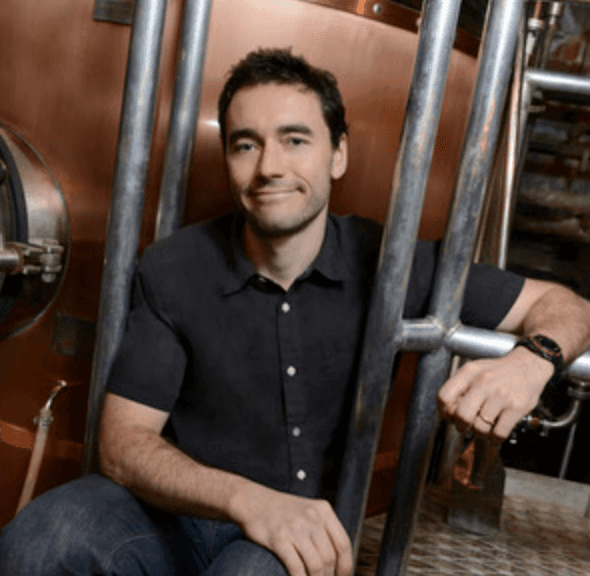
Walker Modic
Senior Director, Environmental Programs, New Belgium Brewing
customer perspective
"We want to make sustainable, lower-emissions beer, and that means examining everything from grain to glass. Having verified data from our supply chain partners makes all the difference."
Walker Modic
Senior Director, Environmental Programs, New Belgium Brewing
customer perspective
"We want to make sustainable, lower-emissions beer, and that means examining everything from grain to glass. Having verified data from our supply chain partners makes all the difference."
Walker Modic
Senior Director, Environmental Programs, New Belgium Brewing
ON FARM OUTCOME
Barley production at Olander Farms removes 2.65 tCO2e for every tonne of barley harvested, with some fields performing as net carbon sinks, removing more carbon than they emit. That result rests on a methodology validated to ISO 14064-2 for project-level measurement of change, giving New Belgium a figure it can carry into scope 3 reporting with confidence. Downforce tracked soil organic carbon trends using a continuous remote sensing archive running back to 2017.

ON FARM OUTCOME
Barley production at Olander Farms removes 2.65 tCO2e for every tonne of barley harvested, with some fields performing as net carbon sinks, removing more carbon than they emit. That result rests on a methodology validated to ISO 14064-2 for project-level measurement of change, giving New Belgium a figure it can carry into scope 3 reporting with confidence. Downforce tracked soil organic carbon trends using a continuous remote sensing archive running back to 2017.
ON FARM OUTCOME
Barley production at Olander Farms removes 2.65 tCO2e for every tonne of barley harvested, with some fields performing as net carbon sinks, removing more carbon than they emit. That result rests on a methodology validated to ISO 14064-2 for project-level measurement of change, giving New Belgium a figure it can carry into scope 3 reporting with confidence. Downforce tracked soil organic carbon trends using a continuous remote sensing archive running back to 2017.